Support MeroLyrics
Enjoy ad-free music and lyrics
How to Choose the Right Guitar for Chords
Selecting the ideal guitar for playing chords with MeroLyrics can transform your learning experience from frustrating to fulfilling.
New Released Songs
Trending Artists
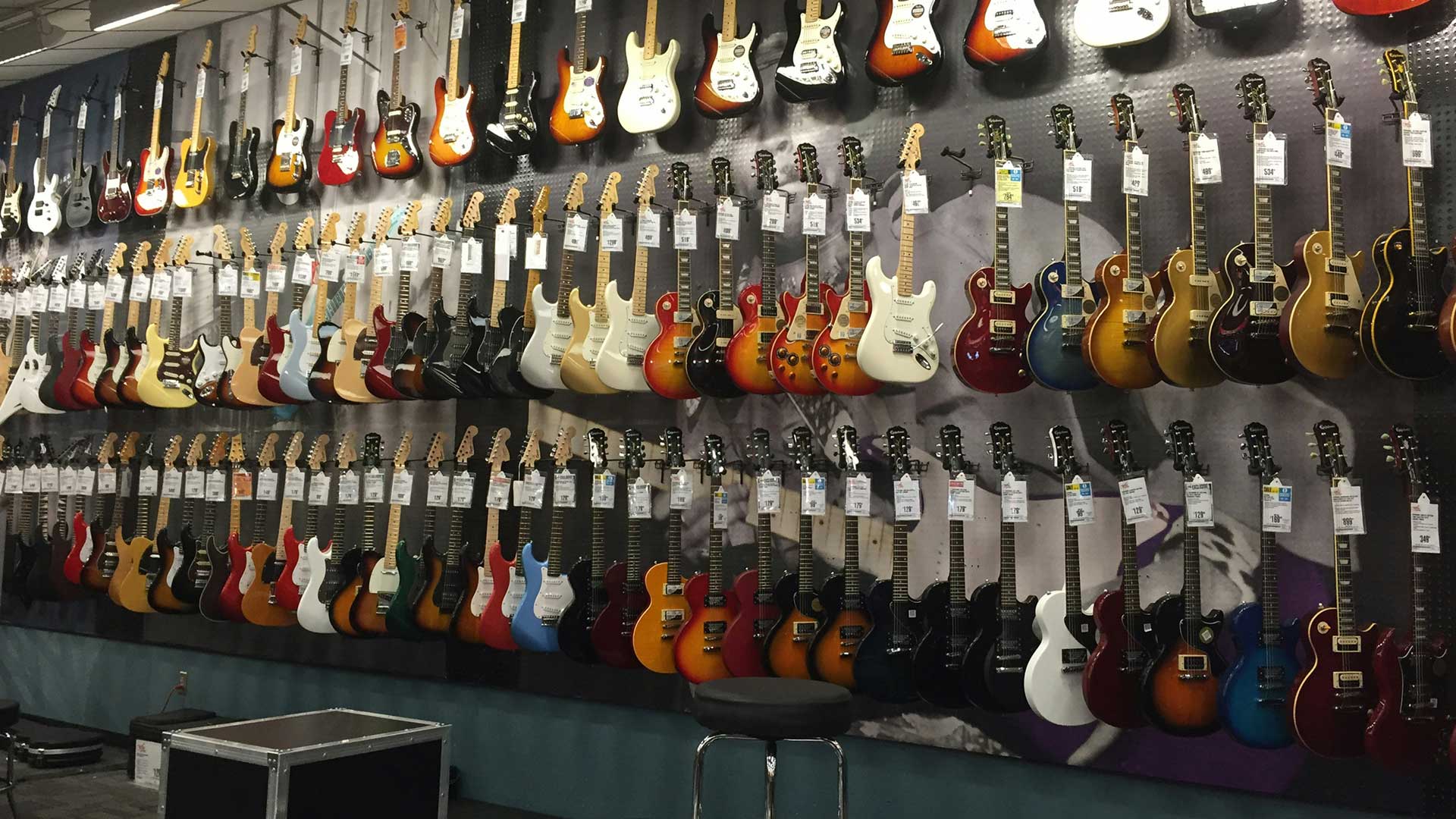
How to Choose the Right Guitar for Chords
Selecting the ideal guitar for playing chords with "MeroLyrics" can transform your learning experience from frustrating to fulfilling. The right instrument enhances comfort, sound quality, and progress, making every strum more enjoyable. This comprehensive guide explores guitar types, key features, and practical tips to help you choose the perfect match for your chord-playing journey.
Types of Guitars
Acoustic Guitars
- Best For: Beginners and chord-focused players.
- Details: Offer a full, resonant sound ideal for strumming chords like G and C. Dreadnought bodies provide loud projection, while parlor sizes are lighter and easier to handle.
- Pros: No amplification needed; great for live settings.
- Cons: Heavier string tension can tire new fingers.
Electric Guitars
- Best For: Rock, jazz, or players wanting easier chord action.
- Details: Require an amp but feature lighter strings and narrower necks, simplifying chords like F Major. Popular models include Stratocasters.
- Pros: Versatile with effects; less finger pressure.
- Cons: Setup costs (amp, cables) and less acoustic volume.
Classical Guitars
- Best For: Fingerstyle chord playing and classical music.
- Details: Nylon strings are softer on fingers, perfect for intricate progressions. Wider necks suit precise placements.
- Pros: Gentler learning curve for beginners.
- Cons: Limited for strumming-heavy genres.
Key Features to Consider
- Neck Width: A wider neck (common in classical guitars) offers space for chord fingering, while a narrower one (electric) suits smaller hands. Test both to find your comfort zone.
- String Action: Lower action reduces the distance between strings and frets, easing chord presses. High action, common in cheap acoustics, can cause discomfort—check at the store.
- Body Size: Smaller bodies (e.g., parlor acoustics) are lighter and better for shorter arms, while larger ones (e.g., jumbo) boost sound but may feel bulky.
- Budget: Aim for $100-$300 for a quality beginner guitar. Brands like Yamaha or Fender offer reliable options. Avoid ultra-cheap models under $80, which often have poor intonation.
- Material: Solid wood tops (e.g., spruce) improve sound quality over laminated wood, though they cost more.
MeroLyrics Integration
- Test Chords: Use "MeroLyrics" to play songs like "Let It Be" (C-G-Am-F) on different guitars to compare feel and sound.
- Explore Tutorials: Follow "MeroLyrics" guides to match guitar types with song styles (e.g., acoustic for folk, electric for rock).
- Community Insights: Join the "MeroLyrics" forum to ask users about their guitar choices and get personalized recommendations.
- Trial Period: Practice 20 minutes daily with a borrowed or rented guitar before committing to a purchase.
Making Your Decision
- Try Before You Buy: Visit a music store to play various models, testing chords from "MeroLyrics" songs.
- Consider Future Goals: If you aim for rock, lean toward electric; for versatility, choose acoustic.
- Maintenance: Factor in string changes (every 3-6 months) and occasional setups ($20-$50).
With "MeroLyrics" as your learning partner, choose the right guitar to unlock your chord-playing potential today!
Support MeroLyrics
Enjoy ad-free music and lyrics
New Released Songs
Trending Artists
Support MeroLyrics
Enjoy ad-free music and lyrics
Support MeroLyrics
Enjoy ad-free music and lyrics